Starting sewing can feel overwhelming. Walk into any fabric store or browse online, and you’ll see endless tools, machines, fabrics, and accessories. It’s easy to think you need everything before you begin.
The truth is simpler: you only need a few essentials to start sewing successfully. Everything else can come later.
Here’s what you really need — and what you can skip for now.
The Essentials You Actually Need

4
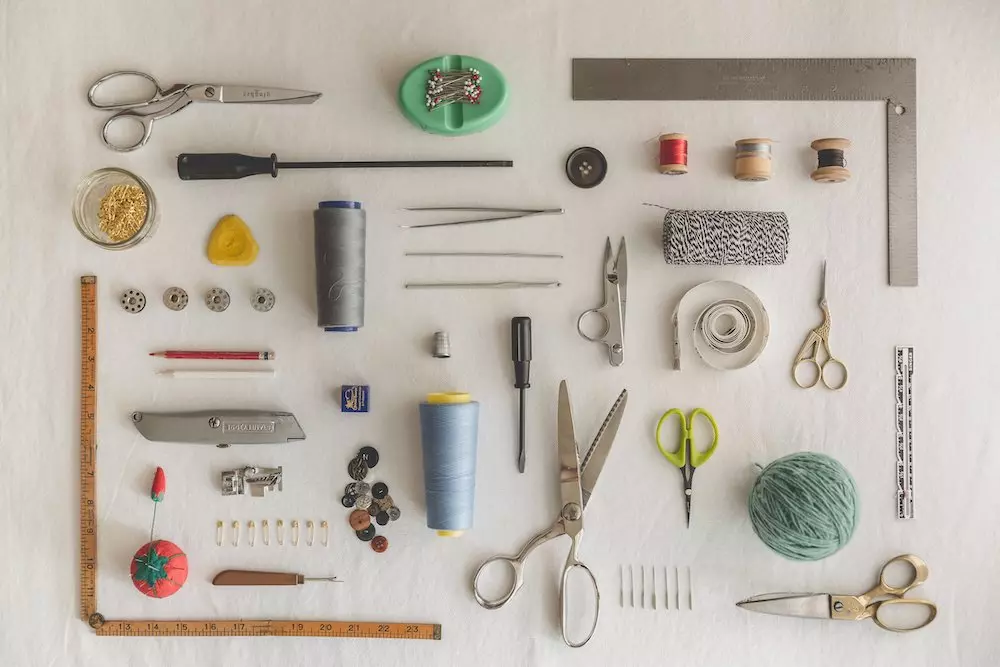
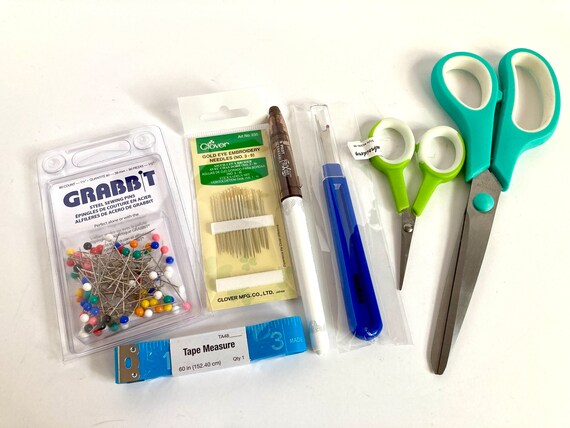
1. Good Fabric Scissors
A dedicated pair of fabric scissors is one of the most important investments you can make. Paper scissors will dull quickly on fabric and make cutting inaccurate.
You don’t need the most expensive pair — just sharp, comfortable ones used only for fabric.
2. Needles and Thread
For hand sewing, a small pack of universal needles and basic polyester thread in neutral colors (black, white, beige) is enough to start.
If you’re using a sewing machine, buy all-purpose thread and standard machine needles suited for medium-weight fabrics.
3. Pins or Clips
Pins hold fabric pieces together before sewing and help keep seams straight. Beginners often skip them — but they make a huge difference in accuracy.
If you dislike pins, fabric clips are a great alternative.
4. Measuring Tape
Sewing is about precision. A soft measuring tape helps with body measurements, pattern sizing, and fabric cutting.
It’s inexpensive and absolutely essential.
5. An Iron
This surprises many beginners, but ironing is part of sewing.
Pressing seams makes projects look neat and professional. Even simple projects improve dramatically when fabric is pressed at each step.
What You Don’t Need Right Away

4
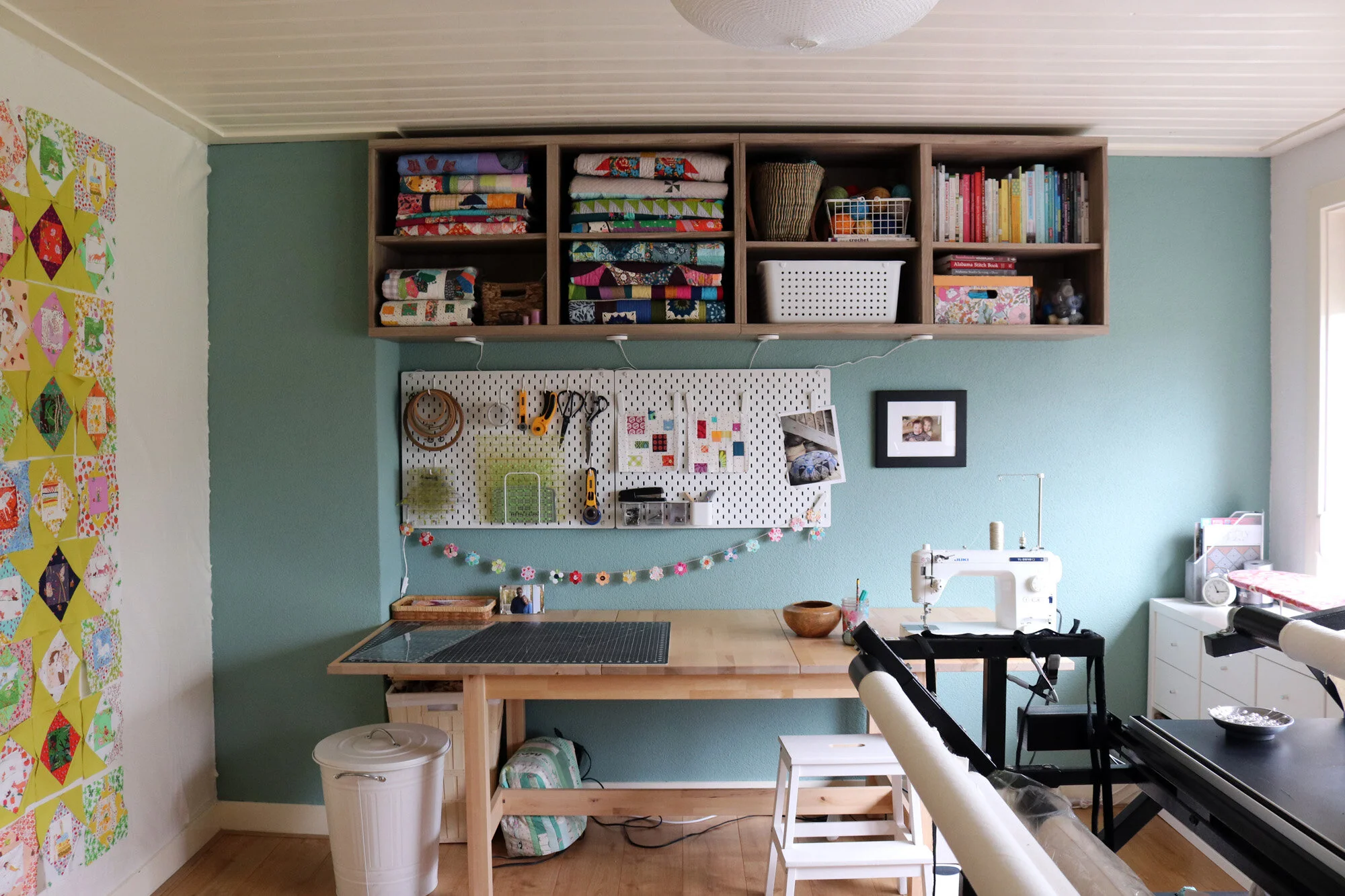
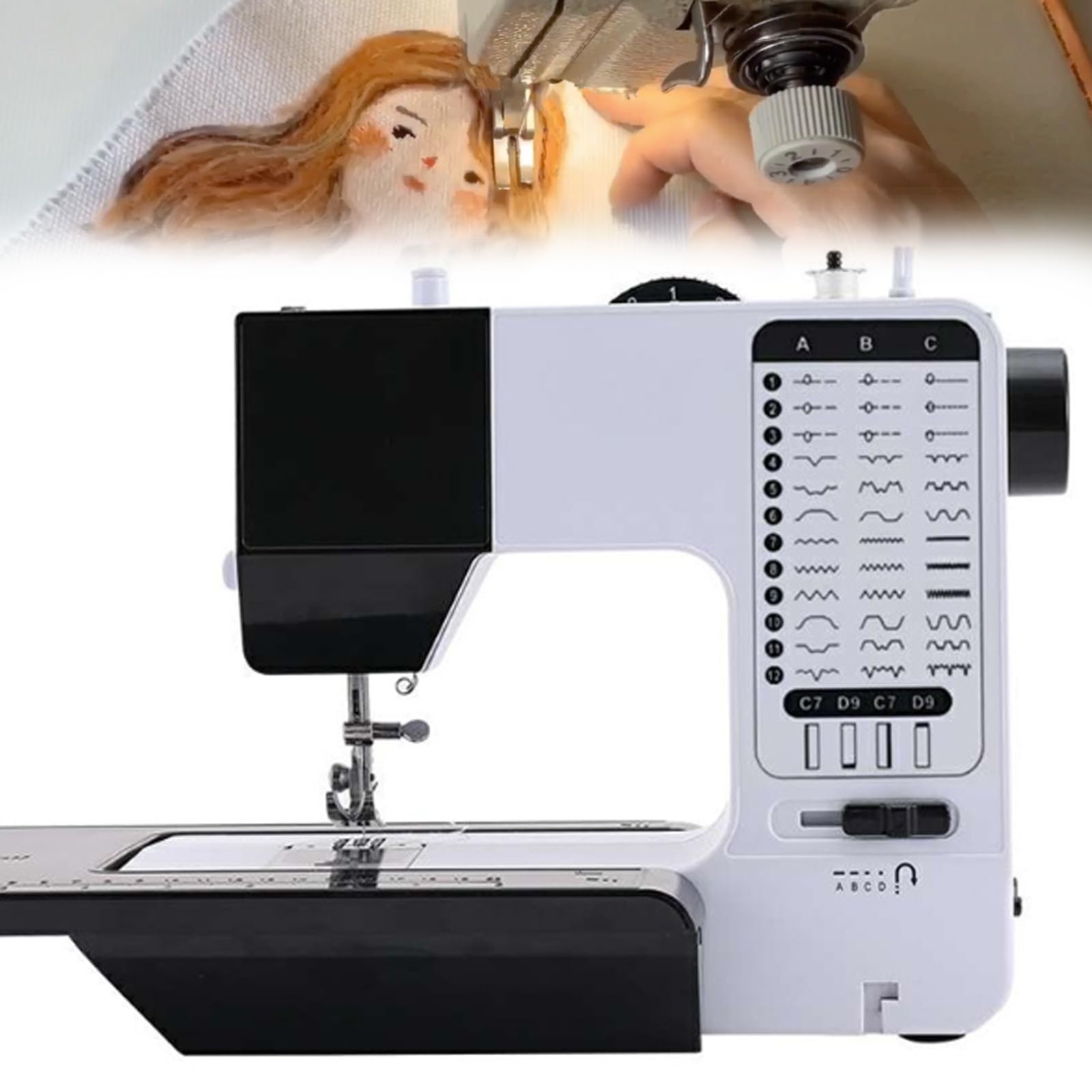
1. A Fancy Sewing Machine
If you plan to sew regularly, a basic machine is helpful — but it doesn’t need dozens of stitches or digital screens.
A simple, reliable machine that does straight stitch and zigzag is enough for most beginner projects.
2. A Huge Fabric Collection
Many beginners buy fabric before knowing what they want to make. This often leads to wasted money and unused materials.
Start with one project, buy fabric for that project, and learn as you go.
3. Every Sewing Gadget on the Market
Rotary cutters, specialty rulers, bias makers, and advanced feet are useful — later.
In the beginning, focus on learning the basics: cutting, straight seams, and simple construction.
Skills matter far more than tools.
Start Small, Learn Fast
The best way to begin sewing is not by collecting supplies but by starting a project.
Simple items like pillowcases, tote bags, or elastic-waist skirts teach core skills quickly and build confidence. Each project naturally shows you what tool you actually need next.
Sewing isn’t about having the perfect setup.
It’s about learning through making.
Sewing Is a Skill, Not a Shopping List
Many creative hobbies become intimidating because they appear equipment-heavy. Sewing doesn’t have to be.
With a few tools, some fabric, and patience, you can begin today.
Everything else is optional.